⚠️ Disclaimer: This website is an independent informational resource and is not affiliated with the official Trust Wallet project. For official information, visit trustwallet.com.
Trust Wallet — A Secure Multi-Chain Crypto Wallet and Gateway to Web3
This is an independent educational resource dedicated to Trust Wallet. We are not affiliated with the official Trust Wallet project. Learn how to securely manage your crypto assets and explore the Web3 ecosystem.
Trust Wallet is a decentralized, non-custodial crypto wallet designed to give users full ownership of their digital assets without relying on intermediaries. Unlike custodial platforms that store private keys on external servers, Trust Wallet ensures that all sensitive data stays on your device, allowing you to manage your funds with complete independence and transparency.
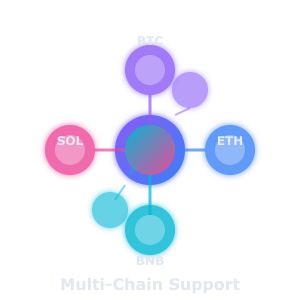
As a versatile multi-chain wallet, Trust Wallet supports a wide range of blockchain networks — from Bitcoin and Ethereum to BNB Smart Chain, Polygon, and various emerging ecosystems. This extensive compatibility makes it possible to store and manage tokens, NFTs, and DeFi assets within a single, streamlined interface, eliminating the complexity often associated with multi-network crypto management.
Beyond simple storage, Trust Wallet acts as a comprehensive Web3 access point. Its built-in browser lets users interact with decentralized applications, participate in DeFi activities, execute smart contract operations, and explore NFT marketplaces. This combination of usability and deep blockchain integration makes Trust Wallet valuable for newcomers learning about digital assets and experienced users seeking advanced multi-chain functionality.
In essence, Trust Wallet matters because it provides true digital ownership while making the growing world of Web3 accessible, secure, and convenient for everyone.
Non-Custodial
Full control of your private keys
Multi-Chain
Support for multiple blockchains
Web3 / dApps
Access decentralized applications
NFTs & DeFi
Manage NFTs and DeFi assets
Core Features & Key Benefits
Trust Wallet is built to simplify how users interact with blockchain networks, manage digital assets, and explore Web3 technologies. With a feature-rich design and a strong focus on usability, the wallet combines convenience, security, and multi-chain flexibility — making it a reliable choice for both beginners and experienced crypto users.
Multi-Blockchain Support and Unified Asset Management
One of the strongest advantages of Trust Wallet is its broad blockchain support. The wallet can store thousands of cryptocurrencies across a wide range of networks, including Bitcoin, Ethereum, BNB Smart Chain, Polygon, Avalanche, and more. Instead of switching between several tools, users can access all their digital assets from a single, organized dashboard.
Trust Wallet automatically recognizes supported tokens, while advanced users can manually add custom assets when needed. With real-time balance updates, a clear transaction history, and an integrated portfolio view, managing your holdings becomes effortless and intuitive.
Web3 Browser for dApps, DeFi, and NFT Platforms
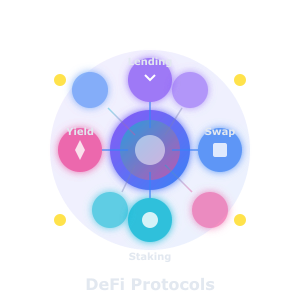
Trust Wallet includes a built-in Web3 browser that allows seamless access to decentralized applications. Users can explore DeFi protocols, decentralized exchanges, blockchain games, staking services, and NFT marketplaces — all without leaving the wallet.
By connecting through the wallet's secure interface, you can trade tokens, interact with smart contracts, participate in lending or staking pools, and browse NFTs with confidence. This makes Trust Wallet a complete entry point into the decentralized economy.
Cross-Chain Swaps and Flexible Token Management
With Trust Wallet, users can perform quick cross-chain swaps and manage multiple tokens without complexity. The wallet simplifies exchanging assets by providing a clean interface for swapping supported cryptocurrencies directly inside the app.
Additional features — such as manual token importing, customizable network settings, and flexible transaction fee controls — ensure that Trust Wallet can adapt to a wide range of user needs, from basic transfers to advanced blockchain operations.
Advanced Security and Non-Custodial Architecture
Security is at the heart of Trust Wallet's design. As a fully non-custodial wallet, it generates and stores private keys locally, ensuring that only the user has access to their recovery phrase and funds.
With strong encryption, privacy-focused architecture, and local key management, Trust Wallet minimizes external risks and offers maximum control. Neither the developers nor third parties can recover or access your wallet — giving users true digital sovereignty. This foundation aligns with the core values of decentralized finance and helps protect your assets from unauthorized access or centralized failures.
Download & Access Options (Mobile, Extension, PC)
Trust Wallet gives users several ways to access their crypto portfolio, whether they prefer managing assets on a mobile device, through a browser extension, or from a desktop environment. Each method is designed to deliver a smooth, secure experience while maintaining full non-custodial control. This flexibility makes Trust Wallet a convenient choice for anyone navigating Web3 across multiple platforms.
Mobile App (iOS / Android)
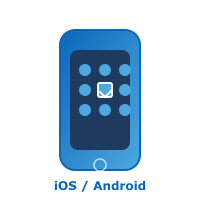
The mobile application is the core version of Trust Wallet and the preferred solution for most users. Available on both iOS and Android, it offers a complete suite of features — from storing and transferring tokens to interacting with dApps, staking assets, and tracking portfolio performance.
Its clean interface and intuitive layout make it accessible to beginners, while multi-chain support and advanced asset management tools appeal to experienced crypto enthusiasts.
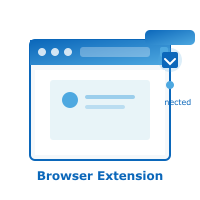
For users who spend more time on desktop, the Trust Wallet Extension provides a fast and secure way to connect to decentralized applications directly from the browser. Compatible with Chrome, Brave, and Microsoft Edge, the extension mirrors many core mobile features while offering a streamlined Web3 experience for desktop environments.
It is especially useful for DeFi users, NFT traders, and anyone who regularly interacts with dApps on a computer.
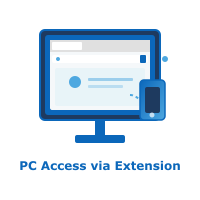
Although Trust Wallet does not offer a dedicated downloadable desktop application, it can still be used effectively on PCs through the browser extension or by connecting the mobile app to Web3 platforms. This hybrid approach ensures users can manage assets, explore dApps, and perform crypto transactions without relying on additional software.
For individuals searching for "Trust Wallet for PC", the official recommendation is the browser extension, which provides full functionality while maintaining non-custodial security.
To protect your funds and avoid malicious applications, downloads should always come from official sources:
The Apple App Store or Google Play Store for mobile
The Chrome Web Store, Brave Add-ons, or Edge Add-ons for the desktop extension
Official links from trustwallet.com
Users should avoid APK files, third-party download sites, and unofficial installers, as they can compromise private keys and recovery phrases.
How to Create and Set Up Trust Wallet — Step-by-Step Guide
Getting started with Trust Wallet is simple and secure. Whether you're creating a brand-new wallet or restoring an existing one, the setup process is designed to help users safely manage their assets while maintaining complete control of their private keys. Follow the steps below to get your crypto wallet fully operational in minutes.
1
Download the Official Trust Wallet App
Begin by installing the official Trust Wallet app from the Apple App Store or Google Play Store. Users who prefer desktop access can use the Trust Wallet Extension, available in verified browser marketplaces.
To protect your funds, avoid downloading from unofficial APK sites or unfamiliar links — always rely on trusted sources or the official Trust Wallet website.
2
Create a New Wallet or Import an Existing One
Once installed, launch the app and select "Create New Wallet" to generate a secure, non-custodial account. If you already manage assets in another platform such as MyEtherWallet, choose the "Import Wallet" option and enter your recovery phrase to restore access.
Trust Wallet never stores your keys — everything is generated and saved locally on your device.
3
Back Up and Protect Your Recovery Phrase
During setup, Trust Wallet will present you with a 12-word recovery phrase (seed phrase). This phrase is the sole method of restoring access to your wallet if you lose your device.
Best practices include:
write the phrase on paper and store it safely
avoid screenshots, cloud storage, or messaging apps
never share your seed phrase with anyone
remember: no one can restore your wallet for you if the phrase is lost
Securing this phrase is essential for protecting your assets.
4
Verify Your Recovery Phrase and Access Your Wallet
To complete the setup, Trust Wallet will ask you to confirm your recovery phrase by selecting the words in the correct order. Once verified, you'll gain full access to your new wallet.
From here, you can:
add supported tokens
send and receive cryptocurrency
interact with dApps
explore Web3 and DeFi features
adjust network settings
configure transaction fees and preferences
Your wallet login is tied to your device's security (PIN, fingerprint, Face ID), not a traditional username/password.
5
Customize Your Wallet: Add Tokens and Networks
Trust Wallet allows users to expand their asset list by enabling additional networks or adding custom tokens manually. If a token doesn't appear automatically, you can import it using the contract address.
This flexibility makes Trust Wallet a powerful tool for managing multi-chain portfolios.
Signing In After Setup: Once your wallet is created, accessing it is effortless: simply open the app or browser extension. Because Trust Wallet is non-custodial, it does not use a central username or password system — your device security and seed phrase protect your account.
Staking & Earning Rewards with Trust Wallet
Trust Wallet provides a convenient way to earn passive income by staking supported cryptocurrencies directly within the app. As a non-custodial trust crypto wallet, it allows you to keep full control over your assets while using staking to support blockchain networks and receive rewards in return. With a clean interface and multi-chain capabilities, Trust Wallet makes the staking experience accessible to both new and experienced users.
How Staking Works Inside Trust Wallet
Staking involves delegating your tokens to blockchain validators who help maintain and secure the network. In exchange, users receive a portion of the network's rewards. Trust Wallet simplifies this process by offering:
a built-in staking interface
transparent reward details
validator selection options
secure, non-custodial token delegation
Because private keys remain on your device, staking through Trust Wallet does not involve giving up ownership of your assets.
How to Stake Tokens on Trust Wallet
Staking tokens in Trust Wallet takes only a few steps:
Open your crypto wallet app and select a token that supports staking.
Tap the "Stake" button displayed on the token's page.
Choose a validator to delegate your tokens to.
Enter the desired staking amount.
Confirm the transaction.
Once completed, your tokens will begin earning rewards automatically. You can monitor performance, view accrued rewards, and manage your delegation directly from the app.
How to Stake Cosmos (ATOM) with Trust Wallet
Cosmos (ATOM) is one of the most widely staked assets available in Trust Wallet. If you're wondering how to stake Cosmos with Trust Wallet, the process is similar to other staking tokens:
Make sure ATOM is in your wallet.
Open the ATOM asset screen.
Tap "Stake".
Pick a validator known for reliability and fair commission rates.
Confirm the delegation.
Your ATOM begins generating staking rewards immediately, and you remain the sole owner of your keys and funds.
ATOM
Cosmos
BNB
Binance Coin
XTZ
Tezos
TRX
Tron
ALGO
Algorand
KAVA
Kava
Why Stake Through Trust Wallet?
Users benefit from staking in Trust Wallet because it offers:
Full ownership — tokens never leave your non-custodial wallet
Convenience — stake anytime through the mobile app
Security — keys stay on your device
Transparency — clear validator information and fees
Passive rewards — earn yield while supporting network stability
For anyone seeking passive income opportunities within a self-managed environment, Trust Wallet provides a straightforward and reliable staking experience.
Trust Wallet vs MetaMask — Choosing the Right Crypto Wallet
When comparing leading non-custodial wallets, Trust Wallet and MetaMask consistently stand out as top choices for interacting with Web3 and managing digital assets. While both options provide secure access to decentralized applications, each wallet offers its own strengths depending on your preferred networks, device, and workflow. Understanding the differences can help users decide which solution best aligns with their needs.
Feature
Trust Wallet
MetaMask
Networks
Multi-chain support: Bitcoin, Ethereum, BNB Smart Chain, Polygon, Solana, and many others
Primarily Ethereum and EVM-based networks (custom RPCs can be added)
UX
Clean, mobile-first interface suitable for beginners
More technical interface, better for developers and advanced users
Platforms
Mobile app with built-in Web3 browser + browser extension
Browser extension (desktop-first) with mobile app
Security
Non-custodial, local key encryption, multi-chain coverage
Non-custodial, widely audited, trusted in Ethereum community
Use Cases
Multi-chain portfolios, mobile dApps, staking, NFTs
Ethereum dApps, DeFi, smart contract interactions
Choosing Between MetaMask and Trust Wallet
Choose Trust Wallet if you want:
a multi-chain trusted wallet supporting Bitcoin, Ethereum, and many more networks
simple access to staking, NFTs, and DeFi
a user-friendly mobile crypto wallet
broad Web3 functionality without complex setup
Choose MetaMask if you want:
deep integration with Ethereum and EVM dApps
advanced customization for smart contract interactions
a developer-friendly ecosystem
a desktop-first experience
Both wallets are reliable and widely adopted, but Trust Wallet provides a more universal experience for newcomers and multi-chain users exploring Web3.
Trust Wallet Support & Essential Safety Guidelines
Trust Wallet is a non-custodial wallet, which means users remain fully responsible for their accounts, private keys, and recovery phrases. Because of this decentralized design, it's crucial to understand where to find reliable information, how to recognize official resources, and how to avoid scams that target wallet users. This section outlines what to expect from trust wallet support, how to stay safe, and what users should never rely on.
Trust Wallet Does Not Offer Phone-Based Support
One of the most important safety notes is that Trust Wallet does not provide customer service via phone calls. Any "trust wallet support number," "trust wallet helpline number," "trust wallet customer service number," or "trust wallet help desk number" found online is not official and should be treated as a scam attempt.
Trust Wallet will never:
call users
ask for a seed phrase
request remote access to your device
verify your wallet through a phone number
If users encounter websites or posts promoting phone support, they should avoid them entirely.
Official Trust Wallet Support Channels
Trust Wallet's legitimate support resources are digital and self-service oriented. Users can find verified assistance through:
The official Help Center on trustwallet.com
The in-app Support section
Documented FAQs, guides, and troubleshooting tutorials
The official Trust Wallet community channels
These resources guide users through wallet setup, token management, dApp issues, network configuration, and other common topics without ever requesting sensitive information.
Protecting Your Seed Phrase and Private Keys
As a non-custodial wallet, Trust Wallet cannot reset or recover your account. This means your recovery phrase (seed phrase) is the only way to restore access.
To stay safe:
Never share your seed phrase with anyone
Do not enter it into websites, forms, or messaging apps
Store it offline and away from digital storage
Beware of impostors pretending to be support agents
If someone asks for your recovery phrase under the guise of "support," it is a guaranteed scam.
Identifying and Avoiding Scam Websites
Scammers often create look-alike pages claiming to mimic official support or promising faster help. Here's what to avoid:
websites offering "account recovery"
forms asking for seed phrase input
social media accounts pretending to be official support
services that promise to "unlock" or "restore" wallets
Always verify URLs and follow links only from trustwallet.com or official app stores.
Below is a collection of the most common questions users ask about Trust Wallet, covering topics like account access, security, staking, network settings, and how to navigate Web3 safely. Each answer provides clear guidance to help both beginners and experienced users get the most out of their secure crypto wallet.
No. Trust Wallet is a non-custodial crypto wallet, which means users control their private keys and assets. It is not an exchange, broker, or custodian, and it does not hold funds on behalf of users. You remain the sole owner of your wallet and recovery phrase.
Trust Wallet does not use a traditional trustwallet.com login or web-based sign-in system. To log in to Trust Wallet, you simply open the mobile app or browser extension and authenticate using your device's security (PIN, Face ID, fingerprint). There is no website login — your wallet is always accessed locally.
Yes, but not through a desktop application. You can use Trust Wallet on PC through the Trust Wallet Extension, available for Chrome, Brave, and Edge. This lets you connect to dApps, manage tokens, and explore Web3 just like on mobile.
If a token doesn't appear automatically, users can enable the token from the search list, add a custom token manually using its contract address, or ensure the correct network (Ethereum, BNB Smart Chain, Polygon, etc.) is selected. This often resolves missing token visibility issues.
No. Because Trust Wallet is non-custodial, it cannot recover accounts or restore access. Your 12-word seed phrase is the only recovery method. If you lose it, no one — including support — can retrieve your wallet.
To stake supported assets, open the token inside the app and select "Stake." Trust Wallet supports staking for networks like Cosmos, BNB, Tron, Tezos, and others. Rewards accumulate automatically, and you can manage or unstake tokens directly within the wallet.
Yes. Trust Wallet is considered a secure crypto wallet because private keys are stored locally on the user's device, not on external servers. However, security still depends on the user: protect your seed phrase, download only from official sources, and avoid entering your seed phrase anywhere except inside your Trust Wallet app.
This is a scam. Official trust wallet support will never request your seed phrase, "private key," or remote access to your device. Any email, message, or website asking for these details should be ignored immediately.
Because Trust Wallet does not use phone-based support. Any trust wallet support number, helpline number, or customer service number you find online is fraudulent. Official help is available only through the in-app support resources and trustwallet.com documentation.